
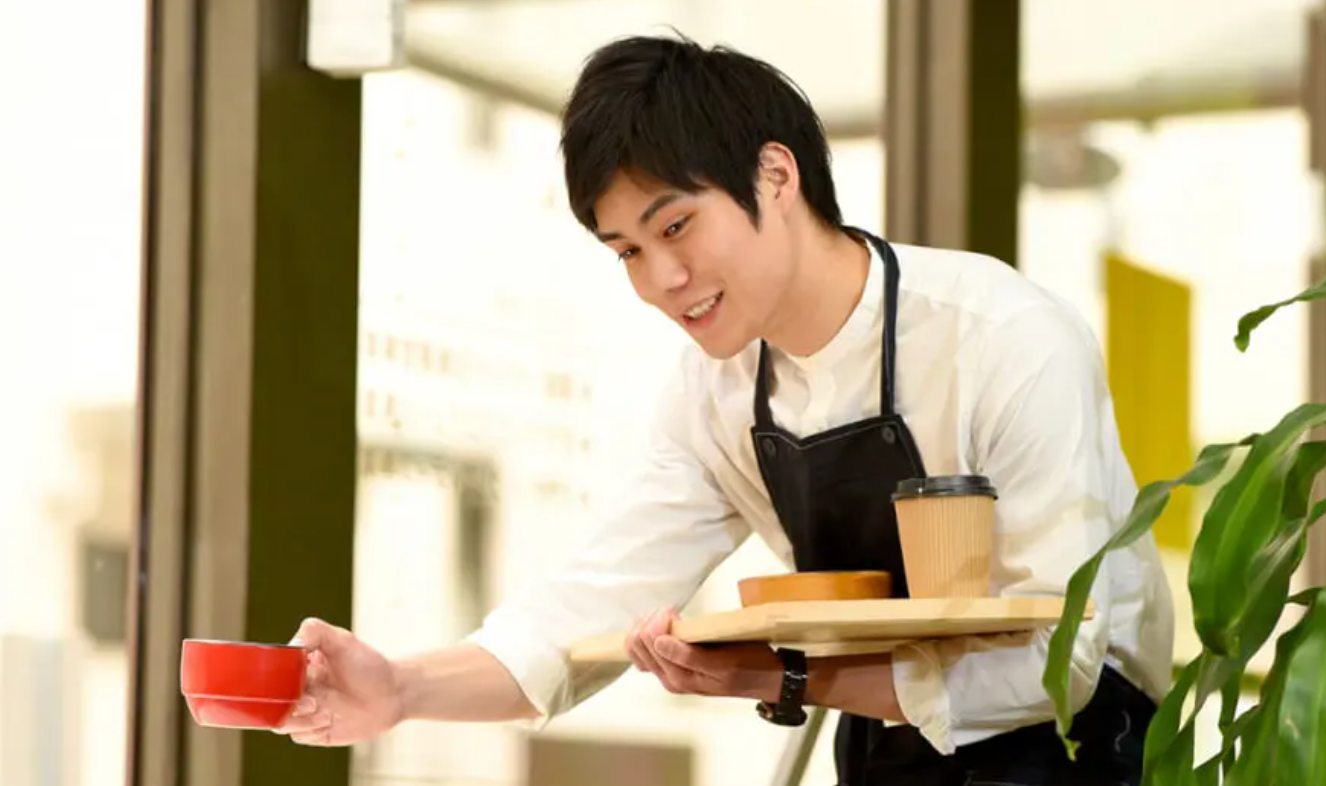
Hospitality in Japan is often discussed in terms of service quality, politeness, and attention to detail. While these elements are visible in hotels, restaurants, and public spaces, Japanese hospitality goes far beyond professional settings. It reflects a way of thinking that influences everyday life, shaping how comfort, care, and respect are expressed on a daily basis.
This mindset is commonly described through the concept of omotenashi — a form of hospitality rooted in anticipation rather than reaction. Unlike service models that respond only after a request is made, omotenashi focuses on understanding needs before they are spoken.
Hospitality as a Daily Practice
In Japan, hospitality is not limited to staff roles or uniforms. It appears in small, everyday moments: shoes neatly arranged at an entrance, clear signage in public spaces, or thoughtful packaging that protects even the simplest item.
These actions may seem minor, but together they create an environment where people feel considered. Comfort is not defined by luxury, but by predictability, cleanliness, and ease of use.
This philosophy explains why even modest accommodations in Japan often feel carefully maintained. The goal is not to impress, but to avoid inconvenience.
The Role of Space and Order
Japanese hospitality places strong emphasis on how space is organized. Whether in a hotel room or a private home, layout is designed to support calm movement and clarity. Furniture is arranged to maximize function without excess, allowing spaces to feel open and intentional.
This approach reflects cultural values that prioritize harmony between people and their surroundings. When a space is easy to navigate, guests can relax without conscious effort.
In hospitality settings, this translates into rooms that feel intuitive. Guests rarely need instructions, because the space itself communicates how it should be used.
Quiet Service, Strong Presence
Another defining feature of Japanese hospitality is restraint. Service is present but unobtrusive. Staff members observe carefully, stepping in only when necessary. This balance creates a sense of freedom for guests, who are supported without feeling monitored.
From an editorial perspective, this restraint aligns with trust. Guests feel respected because their autonomy is preserved. Hospitality becomes a form of partnership rather than performance.
This philosophy is especially relevant in modern travel, where overstimulation is common. Quiet service allows guests to slow down rather than adapt to noise and urgency.
Hospitality Beyond Hotels
The principles seen in hotels are deeply connected to everyday Japanese lifestyle. Convenience stores maintain consistent quality regardless of location. Public transportation runs with precision and clarity. Even automated systems are designed to guide users gently through processes.
These experiences reinforce a sense of reliability. When expectations are met consistently, stress decreases. Over time, this consistency builds trust — a core element of hospitality.
For visitors, this reliability often leaves a lasting impression. It is not a single service interaction that stands out, but the overall feeling of ease.
Experience, Trust, and Cultural Context
From an EEAT standpoint, discussions of Japanese hospitality are grounded in lived experience and cultural context. Observations are not theoretical; they are visible in daily interactions and long-standing practices.
Understanding hospitality in Japan requires acknowledging that comfort is cultural. What feels attentive in one country may feel intrusive in another. Japanese hospitality succeeds because it aligns closely with social norms around respect, distance, and consideration.
Editorial content that reflects this nuance avoids generalization and focuses instead on explanation. This approach builds credibility by respecting complexity.
Why This Matters Today
As lifestyles become increasingly fast-paced and digital, the values behind Japanese hospitality offer an alternative perspective. Comfort does not always require innovation or abundance. Often, it comes from removing friction rather than adding features.
This insight is relevant not only for travelers, but also for those interested in how environments influence well-being. Hospitality, when practiced thoughtfully, becomes part of everyday life rather than a specialized service.
For a lifestyle-focused blog rooted in hospitality themes, these principles provide a meaningful foundation for discussion and reflection.
A Continuing Conversation
Japanese hospitality is not static. While traditions remain important, modern interpretations continue to evolve. Design, technology, and changing social habits influence how comfort is delivered.
What remains consistent is the intention behind the service — to create environments where people feel at ease without needing to ask.
As an editorial platform, exploring these values allows for deeper conversations about lifestyle, space, and care. Hospitality becomes a lens through which broader topics can be understood.
In the end, Japanese hospitality teaches that comfort is not about excess. It is about attention, respect, and the quiet confidence that comes from doing things well — every day.